
New Launches

Popular Deals
Latest Launch
Coming Soon
View All
Properties for Sale



Properties for Rent
Featured Videos
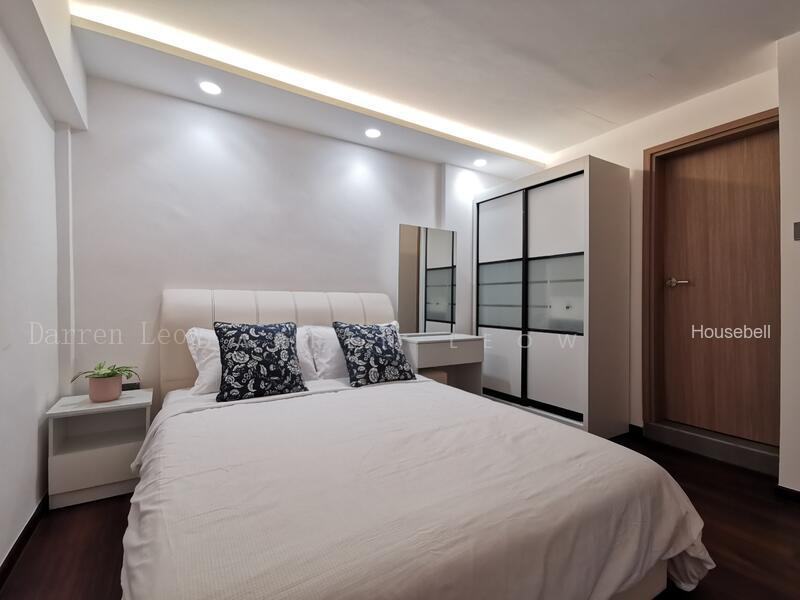
[113 Views] Yong Seng Estate
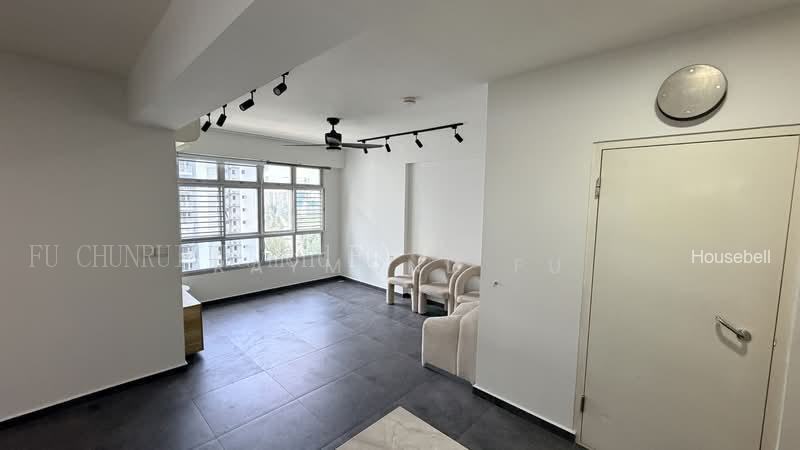
[138 Views] 140D Corporation Drive
[169 Views] Sunglade
[60 Views] 465 Segar Road
[113 Views] Yong Seng Estate
[138 Views] 140D Corporation Drive
[169 Views] Sunglade
[60 Views] 465 Segar Road
[113 Views] Yong Seng Estate
[138 Views] 140D Corporation Drive
[169 Views] Sunglade
[60 Views] 465 Segar Road
[113 Views] Yong Seng Estate
[138 Views] 140D Corporation Drive
[169 Views] Sunglade
[60 Views] 465 Segar Road
Guides for You
Landed House is a distinctive category of residential property in Singapore’s real estate market. Compared with condominium singapore (Condos), the key appeal of a Landed House Singapore is not only that it generally offers more space, but also that the residence is closely associated with the land it sits on. Living space, privacy, and the scarcity of land are all important considerations for buyers.However, Landed House is not a single type of property in Singapore. Depending on factors such as the form of construction and the land/ownership structure, it can be further divided into Terrace House, Semi-Detached House (Semi-D), Bungalow / Detached House, Good Class Bungalow (GCB), and Strata Landed / Cluster House.Different types of Landed property differ significantly in terms of plot size, privacy, price threshold, maintenance requirements, and potential for future renovation or redevelopment. For those preparing to purchase a Landed property in Singapore, understanding these differences is an important step before selecting a property.1 What Is a Landed House in Singapore?Landed House is generally translated as “landed residential property”. As the name suggests, it refers to a form of residential property that is integrated with land ownership/rights (i.e., the value is linked closely to the plot). Unlike a typical condominium residence, the value of a Landed Property comes not only from the house itself, but also from the land associated with the residence.Simply put, when buying a Condo, buyers primarily focus on the residential unit and the corresponding share in the common property (strata interest). When purchasing a traditional Landed House, the land itself is usually an important component of the property’s value.• What Is the Difference Between Landed and Condo?The most obvious differences lie in the form of residence and the way the property is managed.Condos typically have shared facilities and centralized property management, such as swimming pools, gyms, clubhouses, communal gardens, and security. Owners purchase a residential unit within the development and generally enjoy rights to the common areas.Landed Houses place greater emphasis on private space. Traditional Landed properties typically have their own land, entrance, and often parking space, with larger indoor and outdoor areas, which can translate into advantages in privacy and space utilisation.Of course, this also means that Landed owners generally have more day-to-day maintenance responsibilities, such as maintaining the external walls, roof, garden, and drainage system (subject to the relevant ownership/maintenance obligations stated in the sale documents).• What Is the Difference Between Land Size and Built-up Area?These are two very important concepts when purchasing a Landed property.Land Size refers to the area of land associated with the house, while Built-up Area mainly reflects the actual enclosed space that has been built.For most residential buyers, built-up area may be a more intuitive reference point; for many Landed buyers, however, land size (plot parameters) is often more important—especially when planning long-term holding, renovation, or possible redevelopment.This is particularly true for buyers considering how the plot width, depth, shape, and relevant planning/plot-specific constraints can affect possible future use. In addition, land value is often influenced by plot characteristics, not only the current structure.In addition, Landed House should be distinguished between traditional landed residential property and Strata Landed. Although the latter may look and feel similar to a traditional landed product, the ownership structure, common areas, and management arrangements may differ.2 What Are the Main Types of Landed House in Singapore?Singapore’s Landed Property can mainly be divided into the following types: Terrace House, Semi-Detached House, Bungalow / Detached House, Good Class Bungalow, and Strata Landed / Cluster House.Terrace HouseTerrace House, commonly referred to as a terrace house, is one of the more common types of Landed House in Singapore.Simply put, multiple residential units are connected in a row, with adjacent residences typically sharing walls. Depending on their position within the row, different types include Intermediate Terrace and Corner Terrace.• What Are the Characteristics of a Terrace House?The main characteristic of a Terrace House is that the land and house are relatively more “compact” (compared with Semi-D and detached/bungalow), while still offering multi-storey residential space.Compared with Semi-D or detached houses, Terrace Houses generally provide a lower entry point into the landed market, making them a type that many first-time Landed buyers consider.Because a Corner Terrace is located at the end of a row, it typically has more side space than an Intermediate Terrace, and its land characteristics may differ. Therefore, not all terrace houses should be treated as the same product.• Who Is a Terrace House Suitable For?Terrace Houses are generally suitable for:• Families upgrading from a Condo to their first landed property• Families who want more indoor space• Families with children who need multiple bedrooms• Buyers who want to keep their budget within a relatively reasonable range• People interested in the landed lifestyle but who do not currently need a large plot of landSemi-Detached HouseSemi-Detached House is commonly abbreviated as Semi-D.Generally, two residences form a pair, sharing a common wall on one side while remaining independent on the other sides. Therefore, compared with a Terrace House, a Semi-D often provides more side space and layout flexibility (depending on the specific plot).• What Are the Characteristics of a Semi-D? One of the main advantages of a Semi-D is that it offers a relatively balanced option in terms of plot size, privacy, and price.As it is connected to a neighbour on only one side, a Semi-D can typically have more side yards, gardens, or other outdoor spaces, and may also offer better natural light and ventilation.For family buyers, a Semi-D can typically provide larger living rooms, bedrooms, and outdoor areas. If buyers plan to renovate, reconfigure the interior space, or even consider redevelopment in the future, Semi-D properties are also often a key type to consider.However, a larger plot size can also mean greater maintenance responsibilities. Gardens, external walls, roof areas, drainage, and other building components may require higher upkeep than a typical terrace house.• Who Is a Semi-D Suitable For? Semi-D properties are suitable for:• Families looking for more space than a Terrace• Buyers who value privacy and outdoor space• Families with children or multi-generational households• People who want to balance lifestyle quality with land value• Buyers planning to hold the property for the long termFor buyers looking to strike a balance between budget, plot size, and living experience, Semi-D is generally a type worth studying closely.Bungalow / Detached HouseBungalow is also commonly referred to as a Detached House.Compared with Terrace and Semi-D properties, the most obvious characteristic of a Bungalow is that it is generally a standalone unit and does not have adjoining neighbours on all sides. (Exact site conditions can vary by plot.)• What Are the Characteristics of a Bungalow? Independence and privacy are among the most prominent advantages of a Bungalow.With a larger plot of land, a Bungalow may, depending on the specific plot, have a garden, swimming pool, garage, outdoor recreational space, and more.For larger families, a Bungalow can also provide a more flexible spatial layout. Some buyers purchase a Bungalow and subsequently renovate or reconfigure it according to their family’s needs.However, the entry threshold for a Bungalow is generally higher.In addition to the purchase price, the ongoing maintenance, renovation, and any future redevelopment costs of a larger residence should all be factored into the long-term budget.In addition, although Bungalows generally have larger plots of land, this does not mean owners can extend or redevelop without restrictions. The specific form of development must comply with relevant planning and building requirements.• Who Is a Bungalow Suitable For? Bungalows are generally suitable for:• Families who value privacy• Buyers who need substantial indoor and outdoor space• Multi-generational households• People with high demand for gardens, swimming pools, and parking space• Buyers with long-term holding plans and sufficient budgetGood Class Bungalow (GCB)GCB, or Good Class Bungalow, is a highly distinctive type of high-end residential property within Singapore’s landed market.It is important to note that GCB does not simply mean a “large house” or a “large plot”.It is a category of bungalow subject to specific planning conditions and is primarily located within designated GCB Areas in Singapore.• What Are the Characteristics of a GCB?The core value of a GCB generally comes from three aspects:Scarce land, prestigious locations, and a high degree of privacy.Because GCB Areas are subject to planning restrictions, the number of qualifying plots is limited, giving them a market positioning that is distinctly different from ordinary bungalows.GCB buyers typically look beyond the house itself and pay greater attention to plot size, plot location, the surrounding environment, the level of privacy, and long-term asset value.• Who Is a GCB Suitable For? GCBs are mainly suited to:• High-net-worth families• Entrepreneurs and professionals• Buyers who value privacy• People with long-term asset allocation needs• Buyers with high requirements for large landed residences in prime locationsFor ordinary owner-occupier families, a GCB is generally not bought simply for having more living space, but is more often regarded as a high-end residential property and a scarce land asset.Strata Landed / Cluster HouseCluster House can generally be understood as a residential product that combines the living experience of a landed property with aspects of condominium-style management.Its appearance may look very similar to a traditional landed property, but the ownership structure is generally based on strata title. The development may also have shared/common facilities such as roads, gardens, swimming pools, gyms, and security (depending on the specific project and facilities provided).• What Are the Characteristics of a Cluster House? The biggest characteristic of a Cluster House is:“The landed living experience + condominium-style community management.”For buyers who like the space of a landed property but do not want to take on full responsibility for property maintenance independently, this type of product can be appealing.For example, a Cluster House development may provide private residential space while also offering a communal swimming pool, fitness facilities, security, or commonly maintained areas.However, buyers should also note that strata landed (including cluster house products) and traditional landed properties are not exactly the same in terms of ownership and management.Such developments typically involve a management corporation and corresponding management arrangements/rules. Therefore, before purchasing, buyers should carefully understand the ownership structure, management fees, common areas, and any renovation/building restrictions.• Who Is a Cluster House Suitable For?It is generally suitable for:• Families who like the landed living experience• People who also want condo-style communal facilities• Buyers who do not want to take full responsibility for maintaining the house and common areas themselves• People who prefer a gated or enclosed community environment3 What Are the Differences Between the Different Types of Landed House?After understanding the different types, they can be compared across several key dimensions:It should be noted that the above are only general trends. Actual properties can differ significantly. Even among terrace houses, differences in location, plot size, age, and planning/plot constraints can result in very different prices and living experiences.Therefore, when purchasing a landed property, buyers should not make a decision based solely on the property type.4 How Should You Choose a Landed House Based on Your Needs?When choosing a Landed House, the most important thing is to first clarify your own needs rather than deciding which type of house is “the best”.• Limited Budget, First Landed PurchaseIf buyers want to upgrade from a Condo to a Landed property but have a limited budget, they can prioritize Terrace Houses.Terrace Houses can generally provide a stronger “landed-style” living experience than a typical apartment, while the scale of the plot and maintenance obligations are often easier to manage.If land size is a particular priority, buyers can further compare differences between individual terrace plots.• More Space While Balancing Price and Living ExperienceIf the budget is more substantial than what you would typically need for a Terrace House, while the buyer also wants more land and greater privacy, a Semi-D can be considered.It offers a relatively balanced option between a Terrace House and a Bungalow (depending on the plot and pricing).• Privacy and a Larger PlotIf the budget is sufficient and the family has high requirements for gardens, parking, outdoor activities, and private space, a Bungalow / Detached House can be considered.This type of residence is generally more suitable for long-term owner-occupation and can be planned according to the family’s needs (subject to approvals and planning requirements).• Seeking a Prime Location and Scarce AssetIf the purchase requirements go beyond ordinary owner-occupation and place greater emphasis on prime location, land scarcity, and long-term asset characteristics, a GCB is another option.However, GCBs differ significantly from ordinary Landed properties in terms of purchase rationale, and greater attention needs to be paid to the land and planning conditions themselves.• Wanting the Landed Lifestyle While Enjoying Condo FacilitiesIf buyers like the spaciousness of a landed residence but also want facilities such as swimming pools, gyms, security, and more managed/common facilities, a Cluster House / Strata Landed property may be more suitable.5 What Should You Pay Attention to When Buying a Landed House in Singapore?1. Check the Ownership and Tenure CarefullyWhen purchasing a Landed property, do not look only at the appearance and price of the house.First, confirm:• Whether it is Freehold or Leasehold• Whether it is Traditional Landed or Strata Landed• The actual ownership of the land/plot and the unit• Whether there are shared roads or other common areas• Whether there are any other relevant restrictionsIn particular, just because a Cluster House “looks like a landed property,” buyers should not assume that its ownership structure is exactly the same as that of a traditional Landed property.2. Do Not Look Only at Built-up Area; Land Size Matters MoreFor a Landed House, land size is a very important metric.Even if two houses have similar Built-up Areas, their future use may differ significantly if their plot sizes, widths, and shapes are different.Therefore, when viewing a property, in addition to asking:“How many square feet is this house?”you should also find out:“What is the land size? What is the plot shape? What are the front and rear widths? Are there any special restrictions?”This information is very important not only for long-term ownership, but also for future renovation, alterations, or redevelopment.3. Understand URA Planning and Redevelopment PotentialThis is one of the most easily overlooked yet important aspects of buying a Landed property.Many buyers see an older Landed House and immediately assume:“After buying it, I can tear it down and rebuild it, and build as many storeys as I want.”In reality, this is not the case.How a Landed property can be developed in the future needs to be assessed based on the planning conditions applicable to the specific plot, including:• ZoningMeaning:Land use planning. An area designated for landed residential use under URA planning. Why It Matters: First confirm the planning use of the land, as this directly affects how the land can be used in the future.• Landed Housing AreaMeaning:Landed residential area. Refers to an area designated for landed residential use under URA planningWhy It Matters: Helps determine the planning context of the plot and the applicable landed residential development rules.• Plot Size / Plot DimensionsMeaning:Plot size and shape. Plot size, width, depth, and whether the shape is regular or irregular.Why It Matters: Plots of the same area can have significantly different buildable space and house layouts if width, depth, or shape differs; current URA controls can also set minimum plot area/dimensions for different types of landed property.• Building HeightMeaning:Controls how many storeys and how tall the development can be.Why It Matters: The number of storeys in the existing house does not mean the same or higher number of storeys can be built during redevelopment; applicable planning controls for the specific plot must be considered.• SetbackMeaning:The distance a building must maintain from roads, plot boundaries, and other relevant edges.Why It Matters: Directly affects the portion of land that can be occupied by the building and also influences layout (e.g., building position, garden, garage, and other spaces). Setback requirements are not necessarily the same across different residential types.• Site CoverageMeaning:The proportion of the plot that can be occupied by buildings.Why It Matters: A larger land area does not mean the entire plot can be covered; Site Coverage affects buildable area and outdoor space.• Building EnvelopeMeaning:dimensional space within which the development is permitted, formed by factors such as height and setbacks.Why It Matters: Particularly important for buyers planning redevelopment or major alterations, as the design must remain within the permitted envelope.• Road & Surrounding EnvironmentMeaning:Type of adjacent road, road width, traffic conditions, neighbouring plots, and surrounding residential types.Why It Matters: Road conditions may affect requirements such as setback/road buffers; surroundings can affect natural light, noise, privacy, and future design.• Special Planning RestrictionsMeaning:Additional planning, conservation, or development restrictions that may apply to certain plots beyond standard requirements.Why It Matters: May directly affect extensions, alterations, redevelopment, and design. Future potential cannot be assessed based solely on the current condition of the house. URA may also impose additional conditions in specific cases based on site circumstances and planning considerations.Therefore, if one of the buyer’s core objectives in purchasing a Landed property is future redevelopment, it is advisable to professionally confirm the redevelopment potential of the specific plot before completion, rather than relying solely on verbal representations from an agent or seller. Zoning and the Landed Housing Area determine the planning framework in which the land is situated; plot size and plot shape affect the efficiency of land use; setbacks and site coverage affect the actual buildable area; and building height and the building envelope further restrict the height and overall massing of the development. At the same time, roads, the surrounding environment, and any special planning restrictions may also affect specific renovation and redevelopment plans.4. Carefully Inspect the Actual Condition of the HouseUnlike a Condo, many maintenance items for a Landed property need to be handled by the owner.When purchasing a resale Landed property, pay particular attention to:• Whether the roof has any leaks• Whether there are cracks in the walls• Whether there is any evidence of termite activity• Whether the water pipes, electrical wiring, and related systems are ageing• Whether the drainage system is functioning properly• Whether there are any structural issues with the house• Whether there is any water seepage in the basement• Whether the swimming pool equipment is functioning properly• The condition of the air-conditioning system and other major equipmentIn particular, for older Landed properties, buyers should not focus only on whether the renovation looks attractive. Sometimes, an older house with attractive renovations may still have hidden structural or plumbing issues that can lead to higher subsequent maintenance and repair costs.5. Pay Attention to the Location and Surrounding EnvironmentThe value of a Landed property depends not only on the house and land themselves; location is equally important.When viewing a property, pay particular attention to:• MRT stations and public transport• Schools• Malls and supermarkets• Dining options and daily amenities• The neighbourhood environment• Road width• Traffic volume• Road noise• Surrounding land uses• Future urban planningLanded residences are often located in established residential neighbourhoods, and traffic, parking, and noise conditions on some streets can be completely different during the day and at night. Therefore, it is best not to view a property only during a single time period.SummarySingapore Landed Housing is not a single residential product; it includes different types such as Terrace Houses, Semi-Detached Houses, Bungalows, Good Class Bungalows (GCBs), and Strata Landed / Cluster Houses.Each type is suited to different purchasing needs:Terrace Houses are suitable for families who want to enter the Landed market at a relatively lower threshold;Semi-D is suitable for buyers who want to balance land, space, and quality of living;Bungalows are more suitable for families who value independence, privacy, and ample space;GCBs are mainly suited to buyers who focus on prime locations, land scarcity, and high-end asset characteristics;Cluster Houses are suitable for families who like the space of a Landed property while also wanting to enjoy condo-style communal facilities and property management.However, regardless of which type of Landed House you choose, you should not look only at the renovation, number of bedrooms, or built-up area. The key factors to focus on are the land, ownership, location, planning conditions, the actual condition of the house, and your intended future use.For Landed buyers, what a house “looks like” today is certainly important, but where the land is located, what type of ownership it has, how it can be used, and what redevelopment/usage possibilities it may offer in the future are often the key factors determining its long-term value. Therefore, before purchasing a Landed House in Singapore, it is advisable to first clarify your budget and living requirements, and then assess properties one by one based on the land, house, and planning conditions, rather than making a decision solely according to property type or renovation style.
In Singapore, there is no simple rule limiting individuals to a maximum number of residential properties they may purchase. Singapore Citizens, Permanent Residents (PRs), and eligible foreigners may purchase multiple private residential properties. However, the taxes and holding costs can increase significantly when purchasing a second, third, or subsequent property.Therefore, when considering the purchase of multiple properties, you should look beyond the property price and rental income alone. You should also assess your eligibility to purchase, ABSD, BSD, financing capacity, Property Tax, rental returns, and potential future selling costs as a whole.This article provides a practical overview of the key considerations when purchasing a second, third, or subsequent property in Singapore.1. Are There Eligibility Restrictions on Purchasing Multiple Properties in Singapore?In general, individuals or households cannot hold two or more HDB flats simultaneously on a long-term basis. For private residential properties, there is no single uniform limit on the maximum number of properties an individual may purchase. Subject to meeting the relevant MOP and other requirements, eligible households may hold a combination of an HDB flat and a private residential property.HDB Owners Purchasing Private Residential PropertyIf you currently own an HDB flat, you should not simply assume that being allowed to purchase a private residential property means that you can immediately purchase a second property.The HDB Minimum Occupation Period (MOP), the ownership structure of existing properties, and the buyer’s status may all affect the proposed purchase arrangement.In addition, being listed as an occupier of an HDB flat does not necessarily mean that you have beneficial ownership of the property. These two concepts should be clearly distinguished in terms of their legal and ownership implications.2. What Taxes and Costs Should Be Considered When Purchasing a Second Property?ABSD: The Most Important Tax to Consider When Purchasing Multiple PropertiesABSD is one of the most significant costs to consider when purchasing multiple residential properties.ABSD is generally calculated based on the higher of the property’s purchase price or market value. The applicable residential ABSD rate is mainly determined by the buyer’s profile and the number of residential properties owned:Example:A Singapore Citizen purchasing a second residential property for S$2 million:ABSD: S$2 million × 20% = S$400,000This means that the funds required to purchase a S$2 million property are not limited to the property price and other basic purchase costs. The buyer would also need to prepare an additional S$400,000 for ABSD.BSD: Also Payable When Purchasing Multiple PropertiesBSD, or Buyer’s Stamp Duty, is a basic tax payable when purchasing property in Singapore. It generally applies regardless of the buyer’s profile or whether the property is the buyer’s first, second, or subsequent property.BSD is calculated based on the higher of the property’s purchase price or market value. It uses progressive tax rates, with the total BSD being the sum of the tax payable across the applicable tiers.BSD Rates for Residential Property BSD is not calculated by applying a single tax rate to the entire property price. Instead, it is calculated progressively across the different tiers.Example: S$2,000,000 PropertyTherefore, the BSD payable on a S$2 million residential property in Singapore is S$69,600.Property Tax: An Ongoing Cost of Property OwnershipProperty Tax is not a one-time payment made at the time of purchase. Instead, it continues to accrue throughout the period of ownership.Owner-occupied and non-owner-occupied residential properties are subject to different tax rates. If a second residential property is purchased for rental purposes, it will generally be subject to the non-owner-occupied residential Property Tax rates.Therefore, Property Tax should be included as part of the annual holding costs when calculating the investment return.Other CostsIn addition to the major taxes, you should also consider the following costs:• Legal fees• Mortgage-related costs• Renovation and furniture costs• Condominium management fees• Home insurance• Routine maintenance costs• Property management fees for rental arrangements• Costs incurred during periods of vacancyThese costs may appear relatively small individually, but over the long term, they can have a significant impact on the actual returns from holding multiple properties.3.Can I Still Get a Mortgage When Buying Multiple Properties?Yes, but your borrowing capacity for a second or third property will generally be affected by your existing debts and financial commitments.When assessing a mortgage application, banks will typically consider the following:• Income level• Existing mortgages• Other loans• TDSR, or Total Debt Servicing Ratio• LTV, or Loan-to-Value ratio• Available down payment funds• Buyer’s age• Loan tenureFor example, if you already have a high monthly mortgage repayment for your first property, the amount of financing available for a second property may be affected.Therefore, before purchasing a second property, you should first assess your overall borrowing capacity, cash flow position, and long-term repayment obligations.Related Reading: Singapore House Purchase: A Guide to Bank LoansBank Loan Essentials: In-Principle Approval (IPA/AIP)Bank Loan Essentials: Total Debt Servicing Ratio(TDSR)4.How Should You Calculate the True Cost Before Buying a Second Property?To assess whether an investment property is worth purchasing, you can start with the following formula:Total Purchase Cost = Property Price + BSD + ABSD + Legal Fees + Loan Costs + Renovation CostsDuring the holding period, you should calculate:Net Rental Income = Rental Income − Mortgage Interest − Property Tax − Management Fees − Maintenance Costs − Insurance Costs − Vacancy CostsYou should then consider the property’s potential future appreciation or depreciation when assessing the overall investment return.In particular, high rental income does not necessarily mean that the investment will generate a high return.If a property is subject to a high ABSD, even a property generating strong monthly rental income may require a considerable amount of time to recover the upfront taxes and purchase costs.5. Common Strategies for Purchasing Multiple Properties in SingaporeStrategy 1: One Property for Own Stay and Another for InvestmentThis is a relatively common approach.The first property meets the buyer’s own housing needs, while the second property is selected based on factors such as rental demand, location, unit type, and the characteristics of the development.Key factors to consider when selecting an investment property include:• Rental demand• Rental yield• Transport accessibility• Nearby employment and educational resources• Future resale liquidityStrategy 2: Buy First, Sell LaterIf you already own a home and plan to upgrade or replace it, you may consider a “buy first, sell later” arrangement.Eligible married couples who jointly purchase a second residential property and sell their first residential property within the prescribed period may generally apply for an ABSD refund or remission, subject to the applicable conditions.However, these schemes are subject to specific eligibility requirements, ownership structures, and time limits. They should not be interpreted to mean that ABSD will always be refunded whenever a buyer purchases a new property before selling an existing one.Before proceeding with the transaction, you should verify the applicable rules and eligibility requirements based on your specific circumstances.Strategy 3: Personal Ownership or Company Ownership?Some investors may consider purchasing property through a company, trust, or other entity. However, for residential property, ownership through a company does not necessarily result in lower taxes.Residential properties purchased by companies and other entities are generally subject to a higher ABSD rate. Therefore, you should not change the ownership structure solely to reduce an individual’s ABSD liability without first assessing the overall implications.If the proposed arrangement involves a company, trust, or complex family asset structure, you should consult a qualified tax or legal adviser before proceeding with the transaction. Tax, financing, ownership, and future sale considerations should be assessed together.6.Common Misconceptions When Purchasing Multiple PropertiesMisconception 1: Having Enough Down Payment Means You Can BuyYou also need to consider ABSD, BSD, other costs, and your borrowing capacity.Misconception 2: Putting the Property in a Family Member’s Name Can Avoid TaxProperty ownership structures involve factors such as the buyer’s profile, beneficial ownership, and source of funds. ABSD cannot simply be avoided by registering the property under another family member’s name.Misconception 3: Buying Through a Company Is Always More Cost-EffectiveResidential properties purchased by companies and other entities are generally subject to a higher ABSD rate. Therefore, purchasing through a company is not a universally applicable tax-saving strategy.Whether a company ownership structure should be used must be assessed in light of the specific tax and asset-planning circumstances.Misconception 4: Only Look at Rental IncomeWhen assessing investment returns, you also need to deduct ABSD, BSD, mortgage interest, Property Tax, management fees, maintenance costs, insurance costs, and vacancy costs.Misconception 5: The More Properties You Own, the Higher Your Returns Will BeOwning multiple properties involves greater capital commitment, a larger debt burden, and higher leverage risk.If interest rates rise or a property remains vacant for an extended period, overall cash-flow pressure may increase accordingly.Misconception 6: Getting PR After Purchasing a Property Means You Can Automatically Get a Refund of the Previous ABSDABSD is generally determined based on the buyer’s status at the time of the property purchase.Obtaining Singapore PR or Singapore Citizenship after the purchase does not automatically result in a recalculation or refund of the ABSD previously paid.Conclusion: Being Able to Afford It Does Not Mean It Is Worth BuyingWhen purchasing multiple properties in Singapore, the key question is not simply, “How many properties can I buy?” The more relevant question is whether the taxes, financing obligations, and ongoing holding costs remain manageable each time another property is added to the portfolio.For Singapore Citizens, the 20% ABSD on a second residential property and 30% ABSD on a third or subsequent property can significantly raise the investment threshold. Singapore PRs and foreign buyers generally face even higher tax costs.Therefore, before deciding to purchase a second or third residential property, you should assess your overall position based on your buyer profile, existing properties, available cash, borrowing capacity, rental returns, holding costs, and intended investment period.If the goal is property investment, you should also avoid comparing properties based solely on their purchase price. Rental demand in the area, project supply and demand, unit type, location, transport accessibility, future resale liquidity, building age, management fees, and total holding costs may be more relevant than whether the property appears “cheap” to buy.In summary, purchasing multiple properties can be viable when the ownership structure, tax obligations, financing, cash flow, rental performance, and exit strategy are properly evaluated. The ability to purchase another property is only the starting point; the real question is whether the property remains financially sustainable throughout the intended holding period.
Before buying a property in Singapore, the first question many buyers need to answer is not “Where can I buy?”, but:“With my status, what property can I actually buy?”Different types of residential property in Singapore have different purchase eligibility requirements. The rules applicable to Singapore Citizens, Singapore PRs and Foreigners are not the same when purchasing private residential property, HDB and Executive Condominium (EC).In addition, the same type of property may involve different eligibility requirements, ownership conditions and taxes depending on the buyer’s status.This guide will help you quickly understand what property you can buy in Singapore, and what restrictions you should be aware of before purchasing, from the two perspectives of buyer status and property type.1 First, understand: What are the main types of property in Singapore?Before discussing purchase eligibility, let’s briefly distinguish the common residential property types in Singapore:• Private CondoPrivate condominiums are one of the most common types of private residential property, including New Launch and Resale Condo.For most buyers, Condo purchase eligibility is relatively straightforward.• Landed PropertyIncludes:• Terrace House• Semi-Detached House• Detached House• Bungalow• Some Cluster Houses• Other landed residential propertiesRestrictions on Foreigners purchasing Landed Property are generally significantly stricter than for Condo, and in most cases they require specific approval rather than being allowed as a general rule.• HDB FlatHDB is an important part of Singapore’s public housing system, including BTO, SBF and Resale HDB.HDB purchase eligibility is subject to stricter requirements relating to family structure, citizenship, age, income and property ownership.• Executive Condominium (EC)EC is a special type of residential property developed by private developers, but subject to certain public housing policy constraints during the initial stage.After an EC reaches the applicable Minimum Occupation Period (MOP) and enters the open market, its purchase eligibility changes.2 What Can Singapore Citizens Buy?As a Singapore Citizen, you have the widest range of residential property options.In general, Singapore Citizens can buy:• Private Condo• Resale Condo• New Launch Condo• Landed Property• HDB Flat• Executive CondominiumHowever, “can buy” does not mean that every type of property is without conditions.Specific purchase eligibility requirements still apply to HDB, and EC rules may also apply depending on the unit and applicant category.2.1 Singapore Citizen Buying CondoSingapore Citizens can generally purchase Private Condo, including New Launch and Resale Condo.Compared with HDB, private Condo does not have the same family nucleus and income threshold requirements.Therefore, if your main goal is to purchase private residential property, the key factors you generally need to consider are:• Budget• Loan eligibility• Number of properties owned• BSD / ABSD• Specific property typerather than HDB-style family eligibility.2.2 Singapore Citizen Buying HDBHDB has stricter eligibility requirements.Purchasing an HDB flat usually requires an application under an eligible family nucleus, for example:• With spouse and children• With parents• Single-parent family• Eligible single personsSingle buyers can also purchase certain HDB flats, subject to the applicable age and flat-type requirements.When purchasing a new HDB flat or applying for relevant housing benefits, you also need to consider:• Household Income• Property Ownership• Previous Housing Subsidies• Age• HDB Flat Eligibility (HFE)HDB requires buyers to hold a valid HFE Letter when applying for a new flat sales exercise. The HFE helps buyers understand their purchase eligibility, housing loan and CPF Housing Grants in advance.3 What Can Singapore PRs Buy?Singapore PRs can purchase certain private residential properties and, if eligible, HDB, but the rules are not exactly the same as those for Singapore Citizens.PRs can generally purchase:• Private Condo• Resale Condo• New Launch Condo (subject to eligibility)• Landed Property (subject to approval/eligibility)• Eligible Resale HDB• Eligible ECHowever, restrictions vary significantly by property type.3.1 PR Buying CondoPRs can generally purchase private Condo, including New Launch and Resale Condo.Unlike HDB, purchasing a private Condo itself generally does not have HDB-style family nucleus requirements.However, PR buyers need to pay particular attention to:ABSD (Additional Buyer’s Stamp Duty)For example, the ABSD currently payable to a Singapore PR purchasing a first residential property is different from that applicable to a Singapore Citizen.Therefore, for PR buyers:Purchase eligibility and purchase cost are two different issues.You may be eligible to purchase a Condo, but need to pay higher taxes than a Singapore Citizen.3.2 PR Buying HDBRestrictions on PRs purchasing HDB are stricter than those for purchasing private Condo.Generally, HDB requirements relating to:• Family nucleus• PR status• Property ownership• Waiting period• Age• Incomemust be met.For example, when purchasing Resale HDB, a PR applicant generally needs to have held PR status for at least 3 years. HDB’s current resale requirements also require buyers to meet the applicable family nucleus and other eligibility conditions.Therefore, if you are a PR, you should not simply understand it as:“I have PR status, so I can buy any HDB.”Actual eligibility needs to be assessed based on your family circumstances and property ownership.4 What Can Foreigners Buy?For Foreigners, the most important distinction is:Foreigners can generally purchase private condominium units, but landed residential properties typically require approval.According to the Singapore Land Authority (SLA), Foreigners can generally purchase the following without needing approval under the Residential Property Act (RPA):• Condominium Unit• Flat Unit• Strata Landed House within an approved condominium developmentHowever, approval is required for the purchase of certain landed residential properties.4.1 Can Foreigners Buy Condo?Yes.This is one of the most common questions overseas buyers ask.Foreigners can generally purchase eligible:Private Condominium UnitIncluding:• New Launch Condo• Resale CondoIn general, purchasing an ordinary Condo Unit does not require an application to the SLA for RPA approval.This is also why Condo is usually one of the most direct choices for Foreigners purchasing residential property in Singapore.However, Foreign buyers need to pay particular attention to:• ABSDPurchase eligibility does not mean taxes are the same as those for local buyers.Currently, foreigners typically pay the highest ABSD rates for residential property, so ABSD must be factored into your total purchase cost.• FinancingBank financing conditions for Foreigners may also differ from those for Singapore Citizens or PRs.Therefore, before making a formal offer, it is advisable to first confirm:• Loan eligibility• Down payment• Cash requirement• BSD• ABSD4.2 Can Foreigners Buy Landed Property?This is an area that Foreign buyers need to pay particular attention to.Foreigners generally need to obtain the relevant SLA approvals when purchasing the following types of residential property:• Terrace House• Semi-Detached House• Detached House / Bungalow• Vacant Residential Land• Some Strata Landed Property• Landed properties in Sentosa Cove• Residential ShophouseSLA assesses applications on a case-by-case basis.Current published approval criteria generally include that applicants usually need to:1. Have held Singapore PR status for at least 5 years; and2. Have made an “exceptional economic contribution” to Singapore.Even if the criteria are met, approval is not guaranteed, as each application is assessed individually by the relevant authority.Therefore:Foreigner can buy Condo ≠ Foreigner can freely purchase all Landed Property.If your goal is to purchase landed residential property, you should confirm the relevant approval requirements before signing the purchase contract.5 Who Can Buy HDB?HDB purchase eligibility is much stricter than for condos.HDB buyers generally need to meet specific requirements, such as:• Citizenship• Family Nucleus• Age• Income• Property Ownership• Previous Housing Subsidy• Singapore CitizenSingapore Citizens can purchase HDB flats under different housing schemes, such as:• BTO• SBF• Resale HDB• Other eligible HDB housingSpecific eligibility depends on family circumstances, age, income, and whether the buyer has previously received housing subsidies, among other factors.• Singapore PRPRs can purchase certain HDB flats, especially eligible Resale HDB, but they must meet additional PR-related conditions.• ForeignerForeigners generally cannot purchase HDB flats in the same way as Singapore Citizens.Therefore, if you are a Foreigner holding an Employment Pass, Student Pass, or other long-term residence status, you should generally consider Private Condo first, rather than treating HDB as a regular residential purchase option.6 Who Can Buy Executive Condominium (EC)?EC is a relatively unique type of residential property in Singapore.It combines certain public housing characteristics with private residential characteristics, so purchase eligibility needs to be assessed separately.6.1 New ECEC is a relatively unique type of residential property in Singapore.It combines certain public housing characteristics with private residential characteristics, so purchase eligibility needs to be assessed separately.6.2 Resale ECThe situation for Resale EC is different from that for New EC.After an EC has met the applicable MOP, it enters the open market, and purchase eligibility is gradually relaxed.According to HDB’s current rules for Resale EC, the citizenship restrictions depend on the EC’s MOP and the land sales tender closing date of the project:For ECs with a 5-year MOP (projects with a land sales tender closing date before 8 May 2026): • Purchasing 5 to 10 years after TOP: the buyer must be a Singapore Citizen or Singapore PR• After that: there is no citizenship restriction; Foreigners and companies can also purchaseFor ECs with a 10-year MOP (projects with a land sales tender closing date on or after 8 May 2026): • Purchasing 10 to 15 years after TOP: the buyer must be a Singapore Citizen or Singapore PR• After that: there is no citizenship requirementOnce a Resale EC has reached its MOP, it is generally treated as a private residential property transaction. This means that EC purchase eligibility depends not only on your status, but also on the current stage of the EC project.7 Already Own HDB — Can You Buy Condo?Generally, eligible HDB owners can purchase qualified private residential property, including condos, after meeting requirements such as the MOP.However, if you plan to buy a Resale EC or other property types with additional restrictions, you also need to check the relevant HDB ownership and disposal requirements (including any rules on how and when your existing HDB must be handled within the prescribed period).Therefore, it should not simply be understood as:“If I own HDB, I cannot buy Condo.”A more accurate understanding is:You may be able to buy, but you first need to confirm the MOP, your existing property situation, your status/eligibility, and the specific rules that apply to the transaction.8 What Should You Check About Purchase Eligibility Before Buying?Before you start looking for properties, you can check the following in this order.• Step 1: Confirm your status• Singapore Citizen• Singapore PR• Foreigner• Step 2: Determine the property type• HDB• Condo• EC• Landed• Step 3: Confirm purchase eligibilityPay special attention to:• Age• Family nucleus• Income• Existing property ownership• MOP• PR duration• Government approvalAfter confirming the above, comparing specific projects is more efficient than viewing a large number of listings first and only then discovering that you are not eligible.9 Quick Guide to Singapore Property Purchase EligibilityIf you only want a quick view of what you may be able to consider, refer to:• Singapore CitizenCondo: ✓HDB: ✓ (subject to specific eligibility)EC: ✓ (subject to specific eligibility)Landed: ✓• Singapore PRCondo: ✓HDB: ✓ (subject to specific eligibility)EC: ✓ (subject to specific eligibility)Landed: Usually requires government approval• ForeignerCondo: ✓HDB: Generally not available as a regular purchase optionNew EC: Generally not eligible under the standard purchase criteria for new ECsResale EC: May be purchased after reaching the applicable MOPLanded: Generally requires government approvalSLA expressly lists Condominium Units and Flat Units as residential property types that Foreigners can purchase without Residential Property Act approval, while landed residential properties generally fall under restricted properties that require approval.10 FAQ: Frequently Asked Questions About Singapore Property Purchase Eligibility• Can Foreigners buy Condo in Singapore?Yes. Foreigners can generally purchase eligible Condominium Units without needing Residential Property Act approval.• Can Foreigners buy HDB?Generally, they cannot purchase ordinary HDB flats in the same way as Singapore Citizens. Foreign buyers should generally consider Private Property first.• Can PRs buy Condo?Yes. PRs can generally purchase Private Condo, including New Launch and Resale Condo.• Can PRs buy HDB?Yes, but they must meet HDB requirements relating to family nucleus, PR status duration, property ownership and other conditions.• Can singles buy property in Singapore?Yes. Single Singapore Citizens can purchase eligible HDB flats, and single persons can also purchase Private Condo. Specific eligibility depends on the property type and the individual’s circumstances.• Can Foreigners buy landed residential property?In some cases, yes, but government approval is generally required. SLA assesses applications on a case-by-case basis.• Can you buy Condo after owning HDB?After meeting the relevant HDB requirements (including applicable MOP conditions), you can purchase private residential property. However, the specific circumstances need to be assessed based on your existing property and personal status.• Can you buy a second Condo?Generally, yes, but a second residential property may be subject to different ABSD and financing requirements.• Are purchase eligibility and ABSD the same thing?No. Purchase eligibility determines whether you can buy, while ABSD determines how much additional tax you need to pay when purchasing.11 Conclusion: Confirm Eligibility First, Then Start LookingWhen buying property in Singapore, the first step is not to open a property website and start viewing listings, but to first confirm:Who can buy what?The eligibility differences between different statuses and property types are significant.Simply put:Singapore Citizens have the widest range of residential property options;Singapore PRs can purchase most private residential properties, and, if eligible, HDB and EC;Foreigners can generally purchase Private Condo, but face more restrictions when purchasing HDB and Landed Property.Especially for overseas buyers, Condo is usually the most straightforward private residential option, while Landed Property requires additional confirmation of approval requirements and is not automatically granted.However, purchase eligibility is only the first step in the property-buying decision.After confirming that you are eligible to buy, you also need to further assess:Budget → Financing → BSD / ABSD → Location → Property → Long-term PlanIf you have confirmed that you meet the purchase requirements, the next step is to start comparing different areas and specific projects.
This is one of the first questions many condo buyers face. A New Launch offers a brand-new home, modern facilities and more unit choices, while a Resale Condo Singapore allows you to see the actual property, assess the surrounding environment and study established transaction and rental data.Neither option is universally better. The right choice depends on your budget, purpose, timeline, preferred location and investment strategy.This guide compares New Launch and Resale Condos across the key aspects of buying a condo in Singapore.1. What Is a New Launch Condo?A New Launch Condo is a private residential development sold by a property developer, typically before the project is completed.Buyers usually purchase their units based on the developer's plans, floor plans, show flat and project specifications. Depending on the project, payment is generally made progressively as construction reaches different stages. Key characteristics of a New Launch Condo• Brand-new property and facilities• Modern layouts and building design• More unit choices during the early sales stages• Progressive Payment Scheme• Usually requires waiting for the project to be completed (typically 3–4 years)• Developer-set pricing and sales packagesFor buyers who are not in a hurry to move in and prefer a newer development, a New Launch can be an attractive option.2. What Is a Resale Condo?A Resale Condo is an existing private residential property purchased from the current owner rather than directly from a developer.Because the development has already been completed, buyers can usually view the actual unit and assess the wider condominium before making an offer.Key characteristics of a Resale Condo• Existing property• Actual unit can be viewed before purchase• Established surrounding environment• Historical transaction data is available• Existing rental information may be available• Potentially faster completion and move-in• Unit condition and age vary by developmentFor buyers who value certainty and want to see exactly what they are buying, Resale Condos can offer a significant advantage.3. New Launch vs Resale Condo: Key Differences at a GlanceThe key distinction can be simply summarised as:New Launch gives you more newness and more choice; Resale gives you more certainty. 4. Price: Is a New Launch or Resale Condo Cheaper?Price is often the first factor buyers compare. In many cases, assuming other factors are similar, a Resale Condo can be cheaper than a New Launch.New Launch pricingNew Launch properties are generally priced by the developer based on factors such as:• Location• Land cost• Project positioning• Unit type• Market conditions• Competing developmentsDepending on the specific project and sales stage, developers may also offer sales incentives or promotions.Resale pricingResale property prices are typically determined by the seller’s asking price and prevailing market conditions. Buyers can compare the seller’s asking price against recent transactions of similar units and nearby developments.Depending on the seller’s circumstances and market conditions, Resale Condos may also offer more room for negotiation.Don’t compare PSF alonePrice per square foot (PSF) is a useful indicator, but it should not be the only measure of value.When comparing, you should also consider:• Total purchase price• Unit size and layout• Location• Floor level• Facing and views• Remaining lease term• Condo age• Facilities• Recent transactions of comparable unitsA lower PSF does not automatically mean a better deal. 5. Upfront Cost and Payment StructureThe way you pay for a New Launch and a Resale Condo can differ significantly.New Launch: Progressive Payment SchemeFor many New Launch projects, buyers pay in stages as construction reaches different milestones.This means you typically don’t need to pay the full purchase price upfront.While this payment structure can help you manage cash flow, you still need to ensure you can meet future payment requirements and any loan obligations as they arise.Resale Condo: Funds need to be ready fasterA Resale transaction typically progresses to the completion stage within a shorter period.Therefore, buyers need to prepare the relevant upfront funds, including:• Down payment• Buyer’s Stamp Duty (BSD)• Additional Buyer’s Stamp Duty (ABSD), if applicable• Legal fees• Remaining purchase funds (which may be financed through a loan)Regardless of which option you choose, you should assess your financial capacity before committing to a purchase.6. Unit Selection and LayoutChoosing the right unit is one area where New Launches can have a clear advantage.New LaunchIf you buy early in a project, you typically have more options in terms of:• Floor level• Facing• Unit size• LayoutHowever, you’re making the decision before the actual property exists.Show flats are designed to present the development, and they may use furniture, lighting and styling that make the space look different from an unfurnished unit.You should also consider whether nearby developments, once completed, could change the surrounding views you expect.ResaleWhen purchasing a Resale Condo, you can generally inspect the actual unit and assess:• True room proportions• Natural light• Views• Noise• Ventilation• Property condition• Surrounding unitsThis makes it easier to understand what you are truly buying.7. Facilities, Building Quality and MaintenanceA clear advantage of New Launch Condos is that they come with newer facilities, equipment and building systems.You may get:• Brand-new swimming pools• Modern gyms• New common areas• Newer lifts and equipment• Updated landscaping and facilitiesOn the other hand, the situation for a Resale Condo depends heavily on its age and the quality of property management.Older developments may show some wear in the facilities, but that doesn’t necessarily mean the property is not worth buying.A mature condo may offer:• Established landscaping• A proven management track record• A stable community• Well-maintained facilities• A more established living environmentTherefore, a higher age does not automatically mean a worse property.What matters more than age alone is the actual condition of the specific development and how well it is managed.8. Location: New Launch vs ResaleThe property itself is only one part of the equation. The surrounding location can have an even greater impact on your daily life and long-term demand.Consider:• MRT access• Schools• Shopping malls• Restaurants• Workplaces• Parks• Major roads• Future developmentsSome New Launch projects are located in areas that are still developing, where infrastructure and amenities may still be under construction.This can create future growth potential, but it also means you are buying into a location where the lifestyle environment may not yet be fully established.By contrast, Resale Condos in mature neighbourhoods allow you to see what the area is like today.You can evaluate the real walking distance to the MRT, traffic conditions, nearby amenities and existing rental demand.A new condo in a developing area is not necessarily better than an older condo in a mature location. Which one is better depends on your budget at the time and the future development potential of the area.9. Move-In TimelineYour desired move-in timeline can make the decision much easier.New LaunchThe typical journey is:Buy → Wait → TOP → Completion → Renovation → Move InDepending on the project, buyers may need to wait several years before taking possession.This can be a good fit if you are not in a rush and you want a brand-new property.ResaleThe process is generally shorter:Buy → Completion → Renovation → Move InDepending on the property’s condition and the transaction timeline, a Resale Condo can allow you to move in considerably sooner.New Launch may suit you if:• You do not need to move immediately• You are comfortable waiting• You prefer a brand-new developmentResale may suit you if:• You need to move in sooner• You have a fixed move-in date• You do not want to wait for construction10. Investment Potential: Which Is Better for Investors?There is no simple answer to whether New Launch or Resale Condos offer better investment potential.The investment case differs from person to person and from deal to deal.New Launch investmentNew Launches can appeal to investors with a longer time horizon.Potential advantages include:• A newer development• Modern layouts and facilities• Typically longer remaining lease for leasehold properties• Potential future development in the surrounding areaHowever, investors also need to consider:• New Launch pricing premiums• Future competing supply• Limited rental history• Waiting time before the property can be rented outSince the development has not yet established a rental track record, some assumptions are inherently forward-looking.Resale investmentResale Condos usually provide more established data.Investors can often examine:• Historical transaction prices• Existing rental rates• Rental demand• Actual rental yield• Nearby competing propertiesAssuming it meets the relevant requirements, the property can generally be rented out after completion.The trade-off is that investors still need to factor in the property’s age, maintenance condition, and potential renovation costs.In simple terms:New Launch is often based more on expectations of the future, while Resale allows investors to make decisions using more established market data.11. New Launch vs Resale for Own-Stay BuyersFor owner-occupiers, the decision is often less about investment returns and more about lifestyle.A New Launch may suit you if you:• Prefer a brand-new home• Like modern designs and facilities• Do not need to move immediately• Want more unit choices• Prefer to minimise early maintenance issuesA Resale Condo may suit you if you:• Want to move in sooner• Want to inspect the actual property• Prefer a mature neighbourhood• Want to experience the actual noise and natural light• Prefer the possibility of negotiating the purchase priceFor own-stay buyers, it’s worth prioritising factors that affect your everyday life rather than focusing only on potential future appreciation.12. Investment Returns Depend Heavily on the Purchase PriceRather than debating whether New Launch or Resale is “better” in general, it matters more whether you buy at the right price.A Resale unit that avoids an excessive premium can often be more resilient, while a New Launch in a strong location that is priced reasonably may still offer solid long-term potential.13. New Launch vs Resale: Which One Should You Choose?There is no single choice that is absolutely better. Start by clarifying what you value most.If you are still unsure, compare specific properties rather than making a decision based solely on the category of New Launch versus Resale.A good New Launch and a good Resale Condo can both be excellent purchases—just for different reasons.14. How Housebell Helps You Compare New Launch and Resale CondosComparing multiple properties can be very time-consuming, especially if each unit requires an in-person viewing.Housebell provides interactive 3D models, VR tours and high-definition property videos to help buyers screen options more efficiently at the early stage.For New Launch projects, these tools can help you understand:• Layouts• Space• Views• Light• FacilitiesFor Resale properties, you can also use these features to get an initial sense of the unit before deciding whether it is worth arranging a physical viewing.This supports a more efficient screening process:Online search → 3D model / VR tour / HD video → shortlist → physical viewingIf you are comparing multiple Condos or searching from overseas, this can be particularly useful.That said, online viewing tools cannot fully replace seeing a property in person.Before making an offer, we still recommend visiting shortlisted units to assess real-life factors such as noise levels, natural light, privacy, surrounding traffic, and the overall feel of the development.Conclusion: Which Condo Is Right for You?The choice between a New Launch and a Resale Condo is not simply about choosing between new and old.It is about comparing: price, location, the property itself, financing, your timeline, and long-term potential.A New Launch may offer newer facilities, more unit choices, and potential future growth, while a Resale Condo can provide greater certainty, established market data, and faster access to the actual property.The best choice ultimately fits your budget, purpose, timeline, and risk tolerance.Whether you are looking for a New Launch or a Resale Condo in Singapore, Housebell helps you discover and compare properties online using 3D models, VR tours and high-definition videos—so you can narrow down your options before arranging physical viewings.Explore New Launch and Resale Condos in Singapore with Housebell.
Download Housebell App to experience more features
ResaleGadgets,Forum,Q&A,HomeServices,Recommendations